
Minha Casa, Minha Vida Band 2 Loses Momentum Due to Outdated Price Ceiling
The price ceiling lag in Minha Casa, Minha Vida Band 2 stems from a mere 4% adjustment against nearly 20% inflation since 2023. This mismatch pressures developers' financial viability, restricts new launches, and increases reliance on complementary subsidies and builder-financed down payment installments.
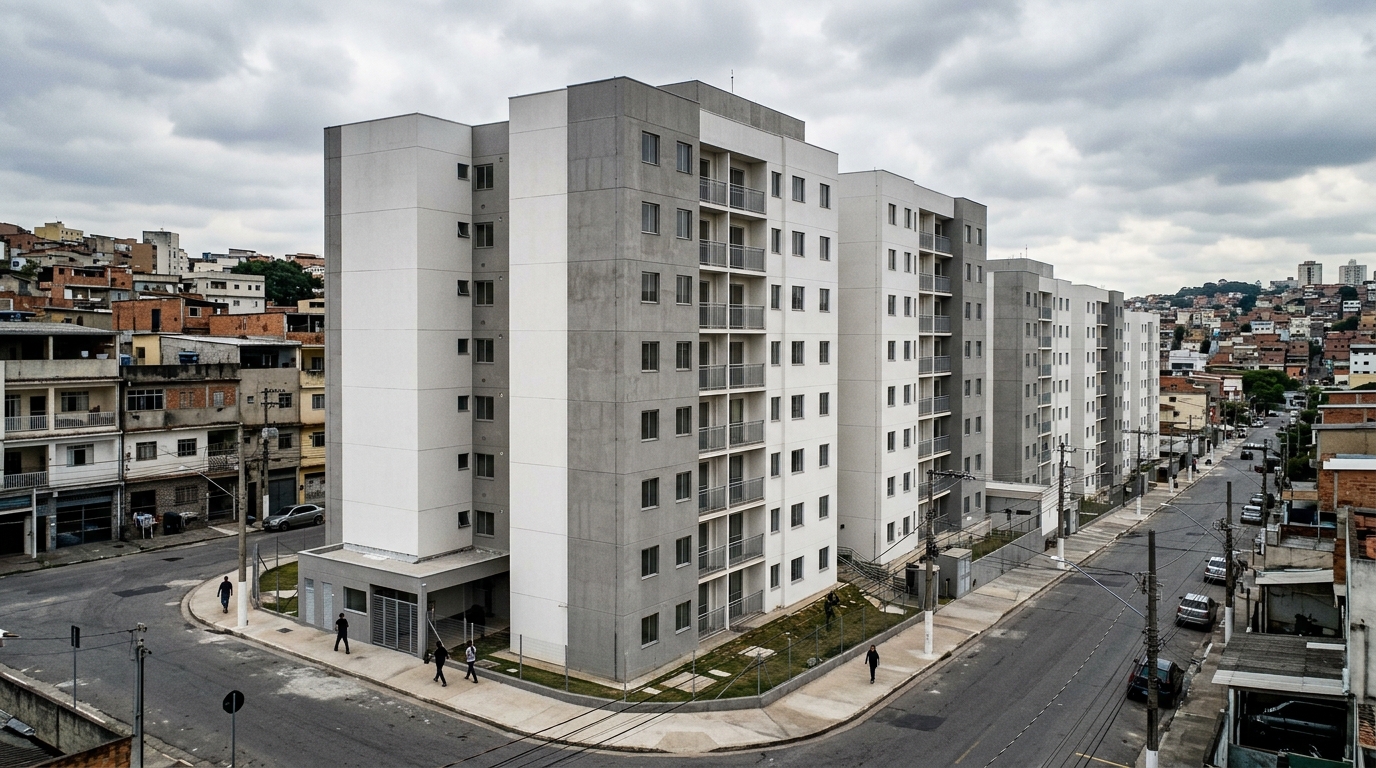
The price ceiling lag in Minha Casa, Minha Vida Band 2 stems from a mere 4% adjustment against nearly 20% inflation since 2023. This mismatch pressures developers’ financial viability, restricts new launches, and increases reliance on complementary subsidies and builder-financed down payment installments.
Key Insights on the Slowdown of Minha Casa, Minha Vida Band 2
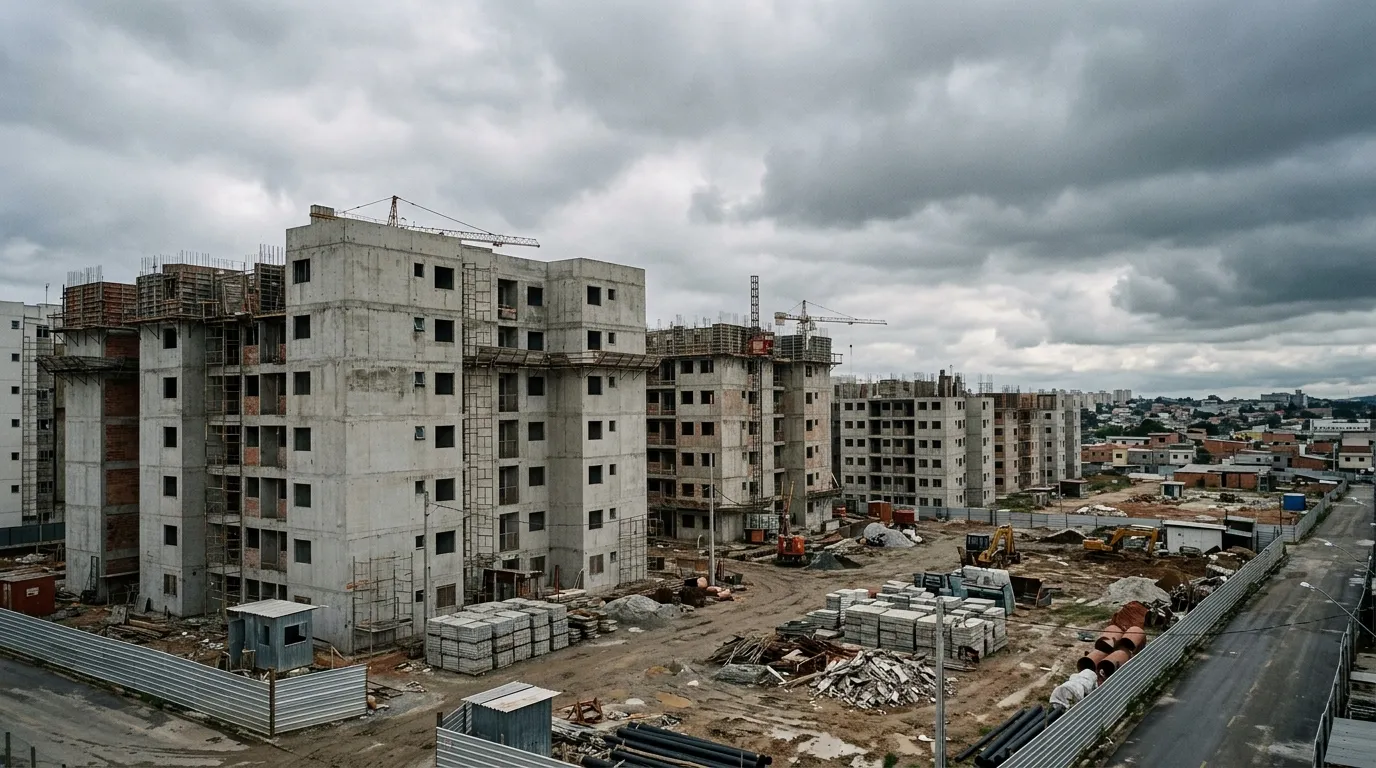
During the 23rd Secovi-SP Convention, real estate and construction leaders highlighted the structural importance of the Minha Casa, Minha Vida program, which currently accounts for over 50% of the national market and represents 65% of housing production in the city of São Paulo, where it reached 70% of launches and 64% of sales.
Despite the significant volume accumulated over the past decade, totaling 3.7 million units delivered in Brazil and 317,000 in the capital of São Paulo—where annual output jumped from 6,500 to 65,000 units—Band 2 of the program faces severe margin compression. Accumulated inflation since the 2023 revision approached 20%, while the property price ceiling adjustment was limited to 4%, leading to lost momentum and reduced supply.
Practical Criteria for Assessing the Funding and Subsidy Landscape
Funding sustainability is another central point for developers and builders. The FGTS deployment budget rose from R$ 80 billion a few years ago to R$ 120 billion two years ago and is on track to reach nearly R$ 200 billion in the current fiscal year, operating near its capacity limit.
In this context of lagging ceilings and pressured payment capacity, mechanisms such as Casa Paulista have become decisive in balancing families’ down payments, avoiding the strain of direct builder financing on developers’ cash flow.
Next Steps for Design Decisions and Construction Efficiency
With the accelerated verticalization of affordable developments, which already feature towers up to 18 stories, project feasibility directly depends on standardization, industrial processes, and agility in technical approvals such as DATEC to control construction costs.
For architecture firms and developers focused on the affordable segment, responding to the ceiling lag requires rigorous typology optimization and assertive commercial communication, supported by real estate marketing materials and 3D renderings to boost sales velocity.
Ready to visualize your project?
Tell us what you need to present and receive a proposal for your project deliverables.
Let's talk